
Cold Chain Transportation Services in Bangalore
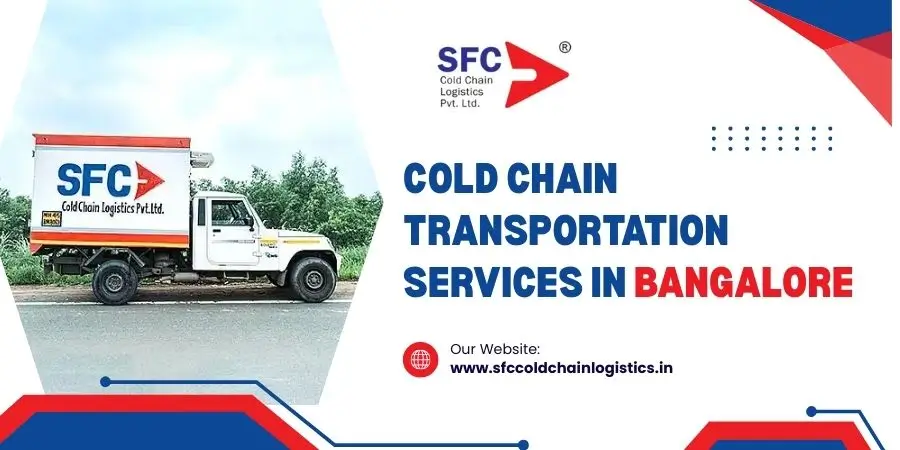
Bangalore, India’s Silicon Valley and a rapidly growing pharmaceutical and biotechnology hub, demands sophisticated logistics solutions to maintain the integrity of temperature-sensitive products. Cold Chain Transportation Services Bangalore have become the backbone of multiple industries, ensuring that vaccines, medicines, fresh produce, and perishable goods reach their destinations in optimal condition. This comprehensive guide explores everything you need to know about cold chain logistics in Bangalore.
Understanding Cold Chain Transportation Services Bangalore
Cold chain transportation refers to the temperature-controlled supply chain network that maintains products within specific temperature ranges from origin to destination. Unlike conventional logistics, cold chain services require specialized equipment, trained personnel, and continuous monitoring to prevent temperature excursions that could compromise product quality and safety.
In Bangalore’s dynamic business environment, Cold Chain Transportation Services Bangalore have evolved from a luxury service to an absolute necessity. The city’s thriving pharmaceutical industry, expanding food and beverage sector, and growing healthcare infrastructure have created unprecedented demand for reliable temperature-controlled logistics solutions.
The Importance of Temperature Controlled Transportation in Bangalore
Bangalore’s tropical climate, with temperatures ranging from 15°C to 35°C throughout the year, makes temperature-controlled transportation critical for numerous products. The pharmaceutical sector, which constitutes a significant portion of the city’s industrial landscape, relies heavily on maintaining strict temperature protocols. A single degree of deviation can render expensive medications ineffective or even dangerous.
The food industry faces similar challenges. Fresh produce, dairy products, seafood, and meat require constant refrigeration to prevent bacterial growth and maintain nutritional value. With Bangalore’s population exceeding 12 million and continuously growing, the demand for fresh, safe food products has skyrocketed, making cold chain logistics indispensable.
Key Components of Cold Chain Logistics Services
Specialized Refrigerated Vehicles
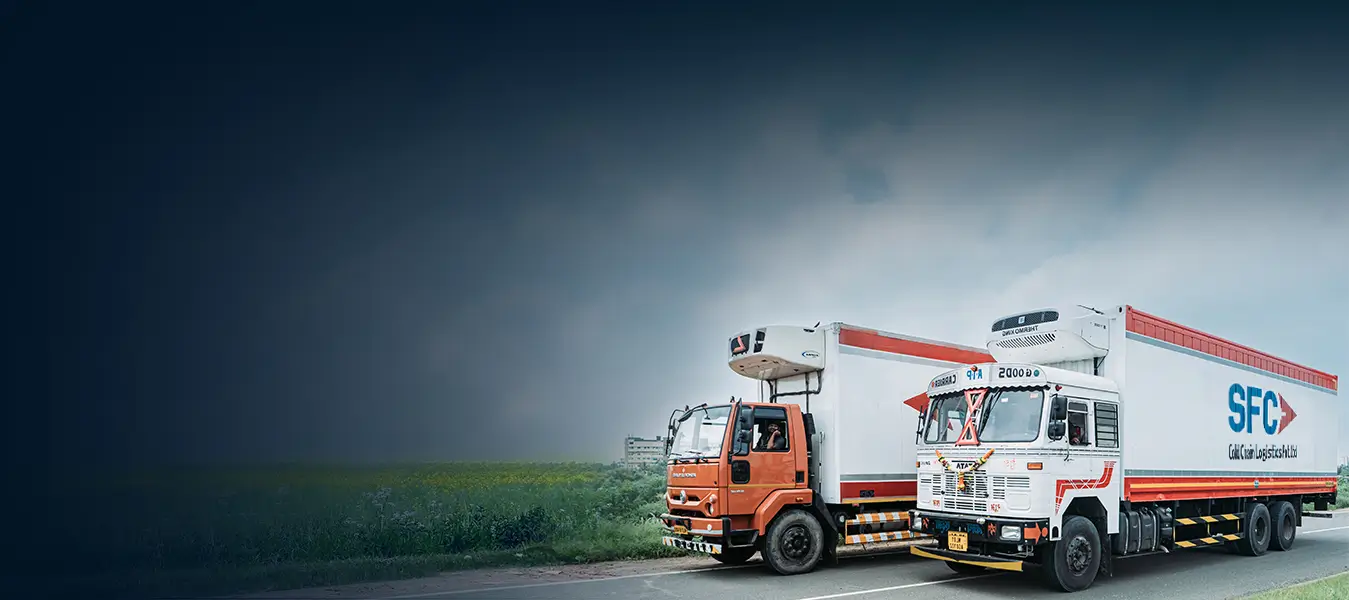
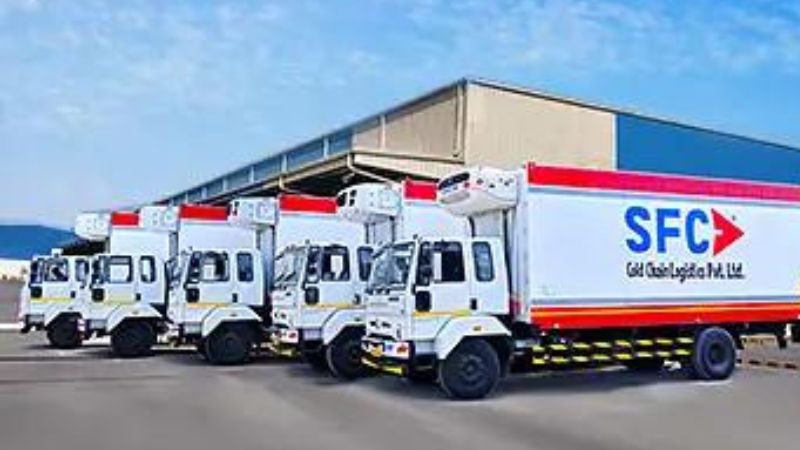
Modern cold chain transportation Services utilizes various types of refrigerated vehicles, from small insulated vans for last-mile delivery to large refrigerated trucks for bulk transportation. These vehicles are equipped with advanced cooling systems that can maintain temperatures ranging from -25°C for frozen products to +25°C for temperature-sensitive pharmaceuticals.
Real-Time Temperature Monitoring Systems
Contemporary Cold Chain Transportation Services in Bangalore employ IoT-enabled temperature sensors and GPS tracking devices that provide real-time data on cargo conditions. These systems immediately alert logistics managers to any temperature deviations, allowing for swift corrective action. This technology ensures complete transparency and creates detailed audit trails for regulatory compliance.
Cold Storage Facilities
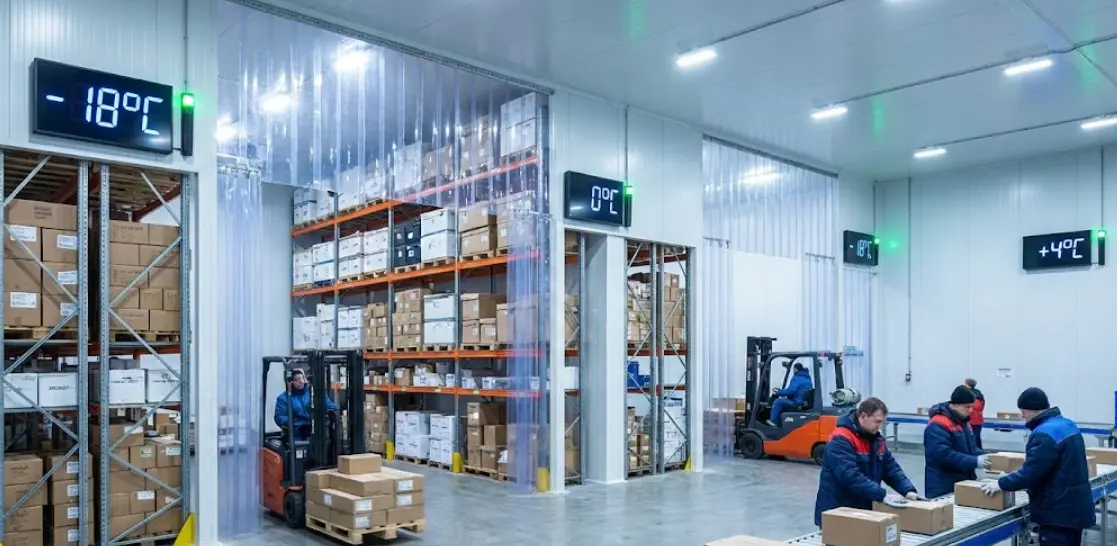
Effective cold chain logistics requires strategically located cold storage warehouses throughout Bangalore. These facilities serve as nodes in the supply chain network, providing temporary storage, cross-docking capabilities, and distribution services while maintaining product integrity.
Trained Personnel
Cold chain operations demand specialized knowledge. Drivers, warehouse staff, and logistics coordinators must understand temperature management protocols, handling procedures for sensitive products, and emergency response measures. Regular training ensures that human error doesn’t compromise product quality.
Pharma Cold Chain Transportation Services
The pharmaceutical industry presents unique cold chain challenges. Bangalore, home to numerous pharmaceutical manufacturing units and research facilities, requires exceptionally reliable cold chain services to transport:
Vaccines and Biologics
Vaccines are among the most temperature-sensitive products, often requiring storage between 2°C and 8°C. Biologics, including insulin and growth hormones, have similarly strict requirements. Even brief temperature excursions can destroy these products’ efficacy, making pharmaceutical cold chain transportation a matter of public health importance.
Clinical Trial Materials
Bangalore’s thriving biotechnology sector conducts numerous clinical trials, requiring transportation of investigational drugs and biological samples. These materials often have unique temperature requirements and must maintain complete chain of custody documentation.
Active Pharmaceutical Ingredients (APIs)
Many APIs require controlled temperature environments during transportation to maintain their chemical stability. Cold Chain Transportation Services Bangalore ensure these critical ingredients reach pharmaceutical manufacturers without degradation.
Refrigerated Transport Services for Multiple Industries
Food and Beverage Sector
Bangalore’s restaurant industry, supermarket chains, and food processing units depend on refrigerated transport services to maintain product freshness. Whether transporting vegetables from rural farmlands, dairy products from processing facilities, or frozen foods from manufacturing units, temperature control is non-negotiable.
The city’s export-oriented floriculture industry also relies on cold chain services to transport flowers to international markets while maintaining their freshness and appearance.
Healthcare and Hospital Services
Hospitals and diagnostic centers require regular deliveries of blood products, diagnostic reagents, and temperature-sensitive medical devices. Cold chain transportation ensures these critical healthcare supplies remain viable and effective.
Chemical and Industrial Products
Certain chemicals, adhesives, and industrial products require temperature-controlled transportation to prevent degradation or dangerous reactions. Cold chain services cater to these specialized industrial requirements.
Cold Chain Supply Chain Solutions: An Integrated Approach
Modern cold chain logistics goes beyond simple transportation. Comprehensive supply chain solutions integrate multiple service components:
End-to-End Visibility
Advanced cold chain providers offer complete supply chain visibility through integrated software platforms. With Cold Chain Transportation Services Bangalore, clients can track shipments in real-time, access temperature logs, receive automated alerts, and generate compliance reports.
Route Optimization
Sophisticated algorithms optimize delivery routes considering factors like traffic patterns, delivery time windows, and temperature stability. This reduces transit times, minimizes fuel consumption, and ensures product integrity.
Customized Temperature Zones
Multi-temperature vehicles allow simultaneous transportation of products requiring different temperature ranges, improving efficiency and reducing costs.
Compliance and Documentation
Professional Cold Chain Transportation Services in Mumbai maintain detailed documentation meeting regulatory requirements from authorities like the Food Safety and Standards Authority of India (FSSAI), Drug Controller General of India (DCGI), and international standards like GDP (Good Distribution Practice) and HACCP (Hazard Analysis and Critical Control Points).
Selecting the Right Cold Chain Service Provider in Bangalore
When choosing a cold chain transportation partner, consider these critical factors:
Infrastructure and Fleet Quality
Evaluate the provider’s fleet size, vehicle age, and maintenance records. Modern, well-maintained refrigeration equipment reduces breakdown risks and ensures consistent temperature control.
Technology Integration
Look for providers using advanced temperature monitoring systems, GPS tracking, and integrated software platforms that provide transparency and real-time data access.
Certification and Compliance
Verify that the provider holds relevant certifications such as ISO 9001 (Quality Management), ISO 22000 (Food Safety Management), and GDP compliance for pharmaceutical logistics.
Geographic Coverage
Ensure the provider can service all your required locations within Bangalore and has connectivity to other cities if you need inter-city transportation.
Emergency Response Capabilities
Understand the provider’s contingency plans for vehicle breakdowns, power failures, or other emergencies that could compromise cargo integrity.
Track Record and References
Review case studies, client testimonials, and industry reputation to assess the provider’s reliability and service quality.
The Future of Cold Chain Logistics in Bangalore
Bangalore’s cold chain industry continues to evolve with technological advancement and increasing demand. Several trends are shaping the future:
Green Cold Chain Solutions
Environmental sustainability is becoming increasingly important. Solar-powered refrigeration units, electric refrigerated vehicles, and natural refrigerants are gaining traction, reducing the carbon footprint of cold chain operations.
Automation and AI
Artificial intelligence is optimizing route planning, predicting maintenance needs, and improving inventory management in cold storage facilities. Automated loading and unloading systems are reducing human error and improving efficiency.
Blockchain for Traceability
Blockchain technology is being explored for creating tamper-proof records of temperature data and chain of custody, particularly important for pharmaceutical products.
Expansion of Infrastructure
The government and private sector are investing heavily in cold chain infrastructure, including dedicated cold storage facilities near transportation hubs and specialized cold chain corridors.
Cost Considerations in Cold Chain Transportation
Cold chain logistics costs more than conventional transportation due to specialized equipment, energy consumption, and skilled personnel requirements. However, the investment is justified by:
- Reduced Product Loss: Proper temperature control dramatically reduces spoilage and waste
- Regulatory Compliance: Avoiding fines and legal issues related to product quality failures
- Brand Protection: Maintaining product quality protects brand reputation and customer trust
- Market Access: Many markets and retailers require cold chain certification for temperature-sensitive products
Challenges in Cold Chain Operations
Despite technological advances, cold chain logistics faces ongoing challenges:
Infrastructure Gaps
While Bangalore has better infrastructure than many Indian cities, gaps remain in certain areas, particularly in connecting rural production sites to urban markets.
Power Reliability
Consistent electrical power is crucial for cold storage facilities. While Bangalore has relatively stable power, backup systems are essential for uninterrupted operations.
Skilled Workforce Shortage
Finding and retaining personnel with specialized cold chain knowledge remains challenging, requiring ongoing investment in training programs.
Initial Investment Costs
The high capital costs of refrigerated vehicles and cold storage facilities can be prohibitive for smaller operators, leading to market consolidation.
Conclusion
Cold chain transportation services in Delhi have become indispensable to the city’s economic growth and public health infrastructure. From ensuring life-saving vaccines reach patients effectively to maintaining the freshness of food on dining tables, temperature-controlled logistics plays a vital role in daily life.
As Bangalore continues to expand as a pharmaceutical, biotechnology, and food processing hub, the demand for sophisticated cold chain solutions will only increase. Businesses operating in temperature-sensitive sectors must partner with reliable, technology-enabled cold chain service providers who understand the critical importance of maintaining product integrity throughout the supply chain.
Whether you need pharmaceutical cold chain transportation for sensitive biologics, refrigerated transport for fresh produce, or comprehensive cold chain supply chain solutions, choosing the right partner with proven expertise, modern infrastructure, and unwavering commitment to quality will determine your success in maintaining product excellence from origin to destination.

Anil Inamdar
Frequently Asked Questions
1. What temperature ranges can cold chain transportation services in Bangalore maintain?
Cold chain services Bangalore can maintain various temperature ranges depending on product requirements. Standard categories include deep frozen (-25°C to -18°C) for items like ice cream and frozen seafood, frozen (-18°C to 0°C) for frozen foods and certain pharmaceuticals, chilled (0°C to 8°C) for fresh produce and most vaccines, and controlled ambient (15°C to 25°C) for temperature-sensitive pharmaceuticals. Advanced multi-temperature vehicles can simultaneously transport products requiring different temperature zones, and providers can customize temperature ranges based on specific product requirements with continuous monitoring throughout transit.
2. How do pharmaceutical cold chain services ensure compliance with regulatory requirements?
Pharmaceutical cold chain services maintain compliance through multiple mechanisms. Providers offering Cold Chain Transportation Services Bangalore use validated temperature-controlled vehicles and storage facilities that meet GDP (Good Distribution Practice) guidelines. Continuous temperature monitoring with data loggers creates detailed audit trails for every shipment, while calibrated sensors undergo regular validation. Staff receive specialized training in pharmaceutical handling protocols and emergency procedures. Providers maintain comprehensive documentation including temperature logs, deviation reports, and chain-of-custody records. Many hold certifications like ISO 9001 for quality management and ISO 15189 for medical laboratories. They implement standard operating procedures (SOPs) aligned with Drug Controller General of India (DCGI) requirements and conduct regular internal audits to ensure ongoing compliance.
3. What happens if there's a temperature deviation during transportation?
Reputable cold chain providers have robust protocols for handling temperature deviations. Real-time monitoring systems immediately alert the operations team when temperatures exceed acceptable ranges. The team quickly assesses the deviation’s severity, duration, and potential impact on product quality. Immediate corrective actions may include adjusting refrigeration units, transferring cargo to backup vehicles, or rerouting to the nearest cold storage facility. The provider documents all deviations with detailed reports including timestamps, temperature readings, and corrective actions taken. Clients receive immediate notification of significant deviations, and the affected products undergo quality assessment before use. For pharmaceutical products, deviation reports help clients determine if products remain safe and effective, and providers typically carry insurance to cover losses from temperature failures.
4. How much do cold chain transportation services cost in Bangalore compared to regular logistics?
Cold chain transportation typically costs 20-40% more than conventional logistics due to several factors. Specialized refrigerated vehicles have higher purchase and maintenance costs, and continuous refrigeration requires significant fuel consumption or electrical power. Skilled personnel trained in temperature-sensitive cargo handling command higher wages, while temperature monitoring systems and software platforms add technology costs. Insurance premiums are higher due to cargo value and temperature failure risks. However, these costs must be weighed against benefits including dramatically reduced product spoilage and waste, avoided regulatory fines and legal issues, maintained product efficacy and safety, protected brand reputation, and access to quality-conscious markets. Many businesses find that cold chain services actually reduce overall costs by preventing expensive product losses. Costs vary based on distance, temperature requirements, cargo volume, and service level agreements, with economies of scale making cold chain more cost-effective for regular, high-volume shipments.
5. Can cold chain services handle small shipments or are they only for large volumes?
Modern cold chain providers in Bangalore cater to businesses of all sizes with flexible solutions. Small businesses and startups can access cold chain services through shared transportation where multiple clients’ shipments share vehicle space, reducing costs while maintaining temperature control. Small refrigerated vans and insulated containers are available for local deliveries and small volumes. Many providers offer flexible scheduling without minimum volume requirements, allowing businesses to scale services based on demand. Last-mile delivery services specifically handle small shipments to retail outlets, clinics, or individual customers. Some providers offer subscription or scheduled service models for regular small shipments, providing cost predictability. Temperature-controlled courier services cater to urgent small shipments like diagnostic samples or emergency pharmaceutical supplies. While per-unit costs are typically higher for small shipments compared to bulk transportation, professional providers structure pricing to make cold chain accessible to businesses regardless of size.
Got a question or need a service? We’re here to help! Reach out to us today—let’s connect and make your experience extraordinary.
- Cold Chain Transportation Services
- Temperature Controlled Transportation Services
- Cold Chain Logistics Services
- Pharma Cold Chain Transportation Services
- Refrigerated Transport Services
- Cold Chain Supply Chain Solutions Services
Latest Tech Trends Explained
Key Components of Cold Chain and Their Importance in Temperature-Controlled Transportation
In today’s globalized economy, the movement of temperature-sensitive products such as pharmaceuticals, fresh food, dairy, seafood, frozen items, and biological materials has increased significantly. Ensuring
Cold Chain Transportation Services: Complete Guide to Temperature-Controlled Logistics
In today’s fast-moving global supply chain, maintaining product quality from origin to destination is more important than ever. Industries such as pharmaceuticals, food & beverages,
Cold-Chain Logistics Services in Mumbai – Practical, Reliable & Built for Real Business Needs
Running a business in Mumbai that depends on temperature-sensitive products is never simple. Anyone who has handled fresh food, pharma, dairy or anything that needs